What No HOA Really Means for Your Lifestyle and Investment
Published September 5, 2026 · By Roger Reed
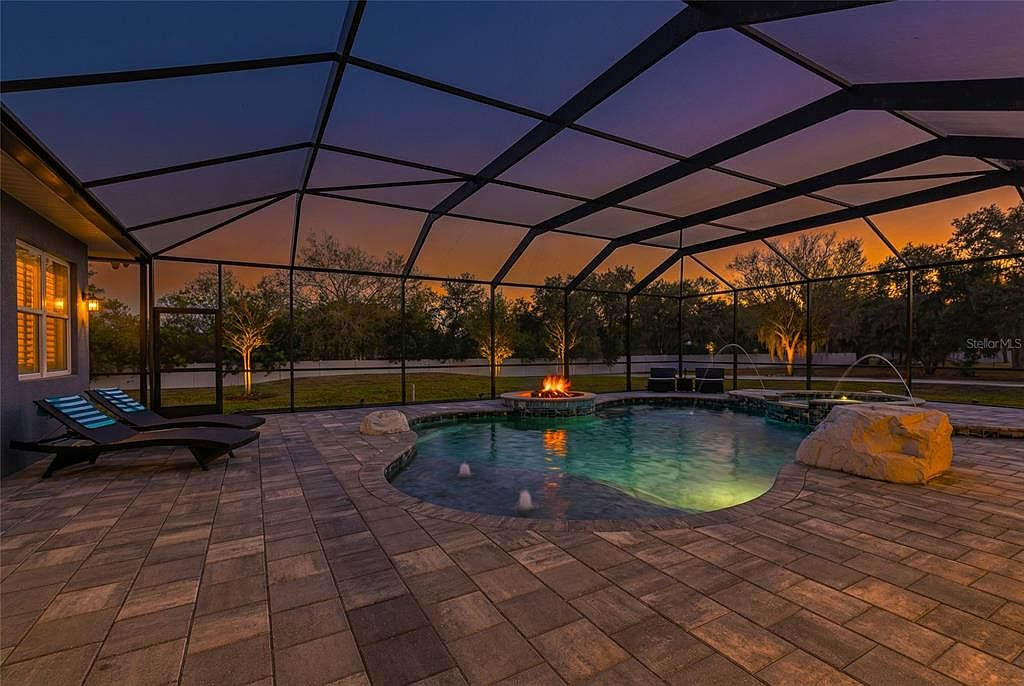
In most Florida communities, a homeowners association is the default: a set of covenants, monthly assessments, and an architectural review board that shapes what you can do with your own land. In Myakka City and the surrounding rural Manatee County corridor, the opposite is the norm. No HOA is the standard, and that single fact changes everything about how a property can be used, operated, and invested in.
What You Are Actually Free to Do
No HOA means no architectural review committee, no community covenants dictating paint colors or fencing, and no association rules about what you park, store or build. County zoning and permitting still apply, as they do everywhere, but you are not asking a neighbors' board for permission. You want a three-stall garage converted into a content studio or a private lounge? That flexibility is yours to explore. Need to park a commercial vehicle, a boat, or farm equipment? There is no architectural review application to file. Planning to add a workshop, a studio, or a guest cottage over the years? The land may accommodate it, subject to county permitting.

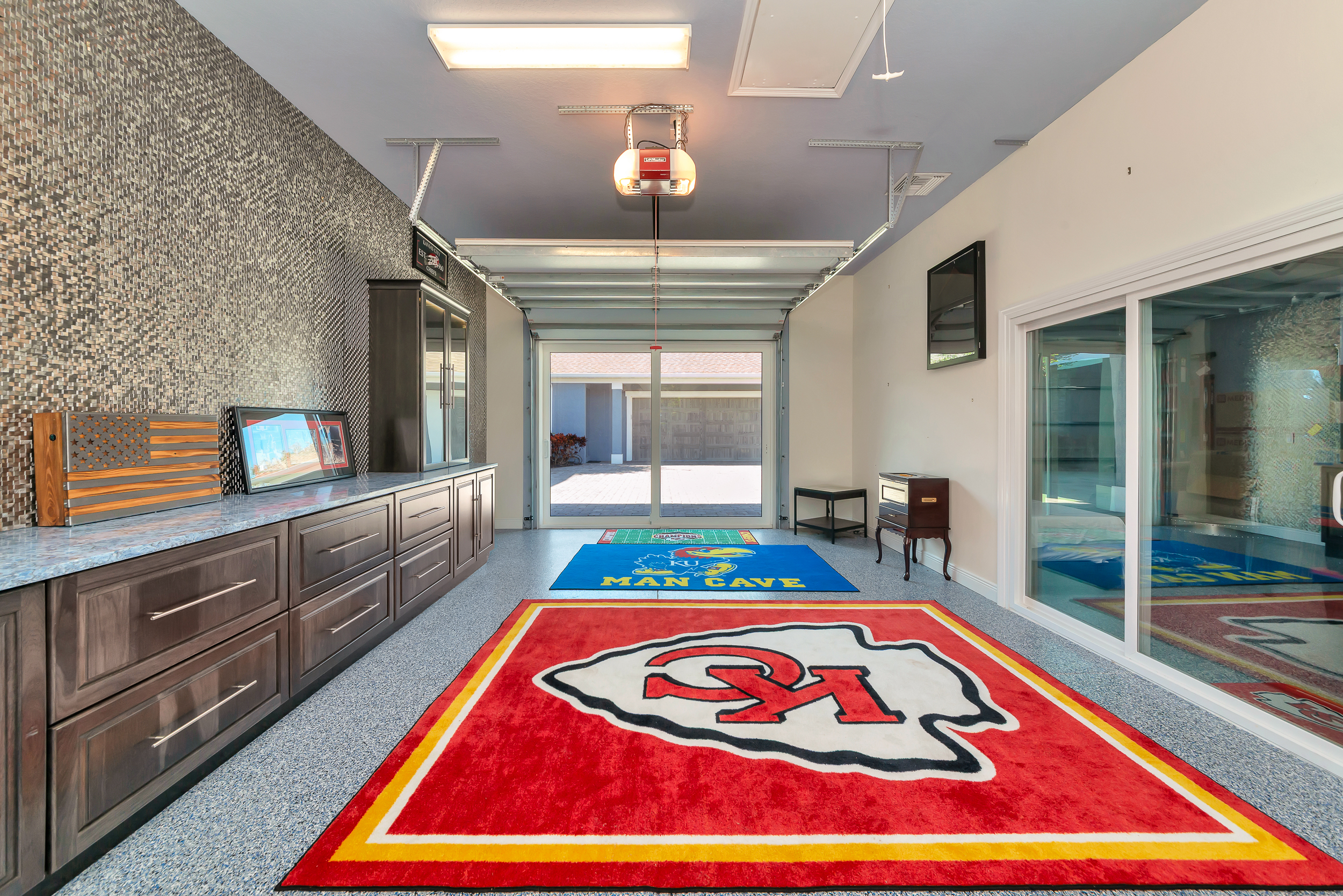
This is not an abstract freedom. For business owners, entrepreneurs, horse owners, and anyone who operates equipment as part of their life, an HOA is a structural barrier to the way they actually work. Restrictions that seem cosmetic in a brochure become deal-breakers in practice, and buyers who need real flexibility quickly learn to filter for no-HOA land.
The Financial Dimension
Managed communities carry monthly assessments, and those fees only trend upward. Over a long ownership period, the totals are real money that buys you permission, not equity. There is also the risk of special assessments: the lump-sum bills that hit HOA communities when shared roofs, roads, or infrastructure need repair, with no input from individual owners.
On a property like 28154 Gopher Hill Rd, your maintenance and improvement budget stays entirely in your control. The estate already carries the amenities many would expect from a resort: a pool, spa, outdoor kitchen, fire features, and grounds maintained to a high standard. You fund upgrades when you choose them, at the quality you choose, and the value stays in the property.
The Investment Case
No-HOA acreage in Florida is a limited supply. There are only so many five-plus-acre parcels in Manatee County without covenants, and the buyer pool for them is durable: business owners, landowners, horse people, and families who want one home that can flex as their needs change. Multiple buildings in particular are nearly impossible to operate under HOA rules, which is why three-structure estates like this one are rare to the point of being irreplaceable.
For buyers who intend to live and work on the property, the absence of an HOA is not a nice-to-have; it is the foundation that makes the model work. You would not run an executive office and a flex building through an architectural review committee. At this scale, self-governance is not a luxury. It is a prerequisite. If that describes your plan, come see what no-HOA estate living actually looks like. Schedule a showing or call Roger Reed at (941) 402-0083.
New to the area? Start with our community guide to Myakka City, then see how three-building estates put this freedom to work.